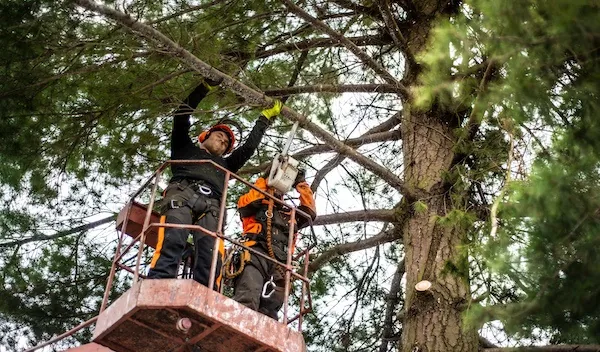
Tree Removal
Full removals of dead, storm-damaged or badly placed trees, including tight residential blocks.
Learn more →Tree removal, lopping, pruning and stump work from Australind down to Augusta.
We arrange tree removal, lopping, pruning, stump grinding, land clearing and storm work right through the South West of Western Australia — Bunbury and Eaton, the Australind and Leschenault fringe, Capel, Busselton and Vasse, Dunsborough, and down through Margaret River.
The trees here are not Perth trees. Marri drops limbs without warning in summer and bleeds heavily when cut badly. Jarrah is dense, slow to compartmentalise a wound, and hard on gear. Karri is tall enough that a "small" removal near Pemberton or Nannup is a rigging job, not a chainsaw job. And along the coast at Dunsborough, Vasse and Geographe, the peppermint (Agonis flexuosa) that everyone loves for shade is shallow-rooted in sand and limestone, and it will lean and lift in a strong sea breeze if it has been topped badly in the past.
That is the difference a local crew makes. The quote you get should reflect the species, the soil it is standing in and how the machine gets to it — not a flat per-tree rate lifted off a price list.
Our services cover the full job from the first inspection through to a raked site:
We will not top a healthy tree to a stub because it looks big. Topping a marri or a peppermint produces a mass of weakly attached regrowth that is more dangerous in five years than the original canopy was, and it is the single most common reason we get called back to a tree that someone else "tidied up". If reduction is genuinely the right call we will say so and explain where the cuts go; if removal is the honest answer, we will say that too.
We also will not quote a protected tree as though the approval is a formality. Some blocks in Margaret River and Dunsborough carry vegetation conditions from subdivision, and some Bunbury street verges are council-owned even when they feel like yours. Sorting that out first is cheaper than sorting it out afterwards.
Between the Preston and the Blackwood, spring is when the year's tree work gets decided. Shires issue firebreak and fuel-load notices, insurers start asking questions about overhanging canopy, and anyone on a semi-rural block in Capel, Yallingup or the Margaret River hinterland has a compliance date to hit. Leaving it to late November means competing with every other property owner in the region for the same crews.
If you are on a rural or semi-rural block, read the firebreaks and hazard reduction page before you plan the season — it covers what a break actually has to look like, and what limb work around the house does and does not achieve.
We do not publish a per-tree price because the honest answer depends on access, species, height, what is underneath the tree and how much debris comes out. The cost guide sets out every factor that moves the number, so you can tell whether a quote you have been given is reasonable before you accept it. More general questions are answered on the FAQ page, and seasonal notes sit on our advice pages.
Ready to get it sorted? Call (08) 9785 0207, tell us the suburb and roughly what the tree is doing, and we will get a crew out to look at it. You can also send the details through and we will ring back. Find out more about how we work, or see which areas we cover.
Marri, jarrah, karri and coastal peppermint all behave differently on the saw. The quote reflects the species, not a flat rate.
Council firebreak notices land in spring. We book hazard-reduction work early so you are not chasing a crew in December.
Sand tracks, limestone driveways and tight Old Bunbury blocks decide whether an EWP fits or the job is climbed.
Removal, grinding and clean-up quoted together so you are not paying two mobilisations for one tree.
Full removals of dead, storm-damaged or badly placed trees, including tight residential blocks.
Learn more →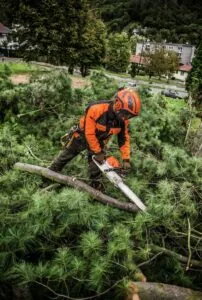
Weight reduction and selective branch removal on overgrown marri, gum and peppermint.
Learn more →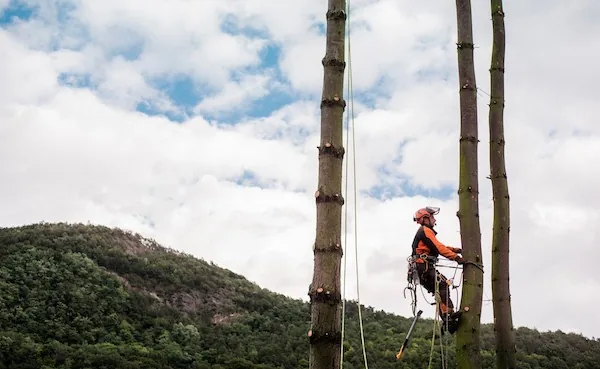
Crown lifting, deadwooding and clearance pruning done to keep the tree, not just cut it back.
Learn more →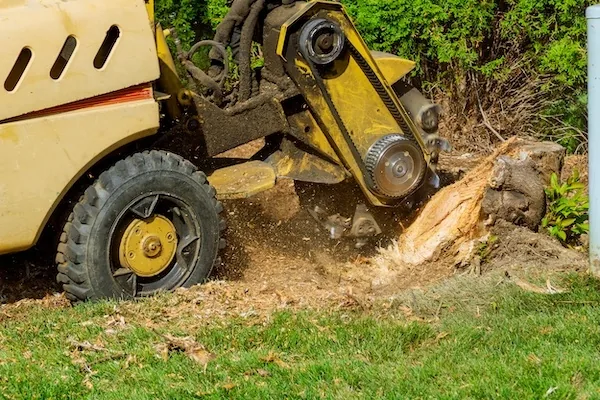
Grinding the stump below ground level so you can turf, pave or plant over it.
Learn more →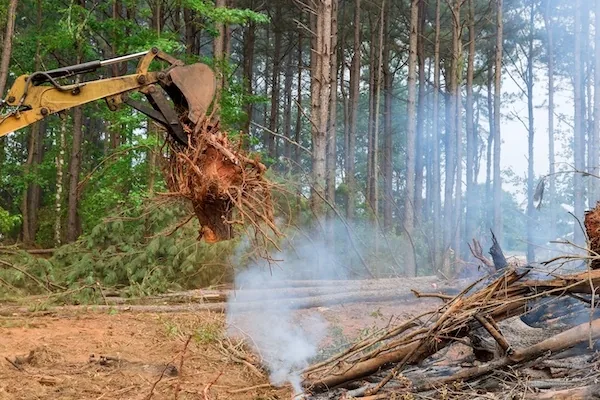
Stump and root plate dug out entirely where footings, pipes or a new build need the ground clear.
Learn more →
Clearing house pads, paddock regrowth and overgrown lifestyle blocks, within the clearing rules.
Learn more →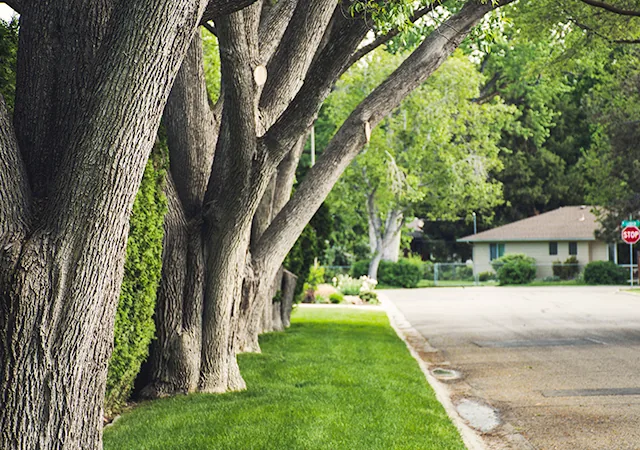
Firebreaks, fuel-load reduction and overhanging limb work to meet your shire's annual notice.
Learn more →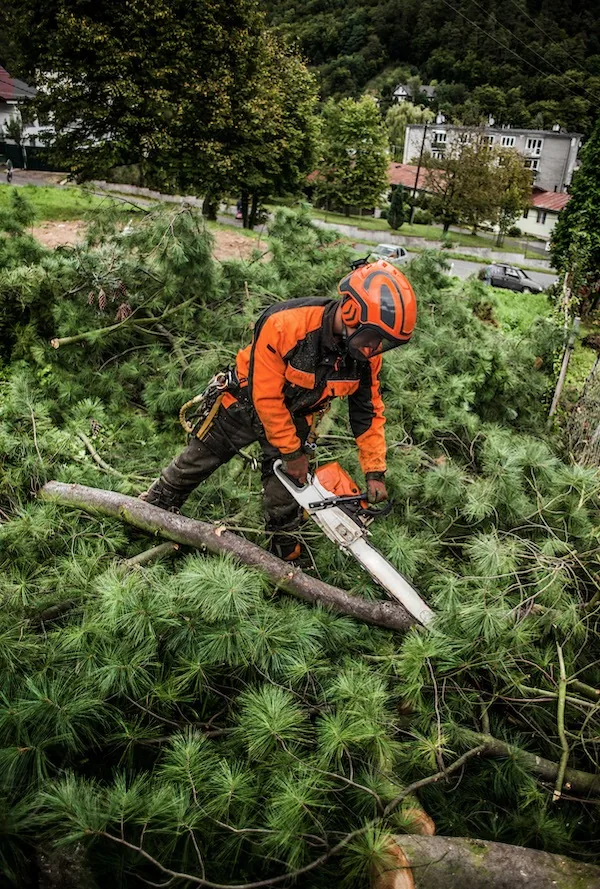
Fallen limbs, split trunks and trees on roofs after a South West front comes through.
Learn more →It depends on the shire and the tree. The City of Bunbury, Shire of Capel, Shire of Busselton and Shire of Augusta-Margaret River all protect some trees through local planning policy, subdivision conditions or vegetation covenants on newer estates. Dead, dying or dangerous trees are usually treated differently. Ring your shire's planning counter before you book, and we can tell you what they normally ask for.
The regular run covers Bunbury, Eaton, Australind, Capel, Busselton, Vasse, Dunsborough and Margaret River, with jobs taken further out to Harvey, Donnybrook, Nannup and Augusta when there is enough work to justify the float. Travel time is built into the quote, so a single small job three hours away will price higher than the same job in town.
Limbs are chipped on site and taken away, and the chip can be left as mulch if you want it. Larger marri and jarrah rounds are cut to barrow size and removed, or stacked for firewood if you ask before the crew starts. Removal of the debris is part of the quoted price unless the quote says otherwise in writing.
Most South West shires issue their annual firebreak notice in spring with a compliance date around the start of November. Crews book out through September and October, so the sensible window is late winter. Booking then also means limb work over the house is finished before the hot easterlies and the summer sea breeze start pushing dead wood down.